Selling your Aiea home can feel like a race against the clock. You want strong photos, solid buyer interest, and as few surprises as possible once offers start coming in. The good news is that you do not need a full renovation to make a strong impression. With the right prep, you can focus on the updates that matter most in Aiea and launch with more confidence. Let’s dive in.
Why prep matters in Aiea
Aiea is a largely owner-occupied market, with a 75.0% owner-occupied housing unit rate and a median owner-occupied home value of $1,065,700 according to Census QuickFacts. That means buyers often compare your home against a fairly high local standard from the start. Condition, cleanliness, and presentation can shape how your listing stacks up.
Recent Oʻahu market data also shows why thoughtful prep matters. Honolulu Board of REALTORS® reported that single-family sales stayed active in March and April 2026, with median days on market at 21 and 24 days, while pricing and buyer response depended more heavily on realistic pricing and how well a home matched current expectations. In other words, buyers are still active, but they are paying attention.
Focus on first impressions
You do not need to make your home look perfect. You do need to make it feel cared for, open, and easy to picture in listing photos and in person. That starts with the spaces buyers notice first.
Stage key rooms first
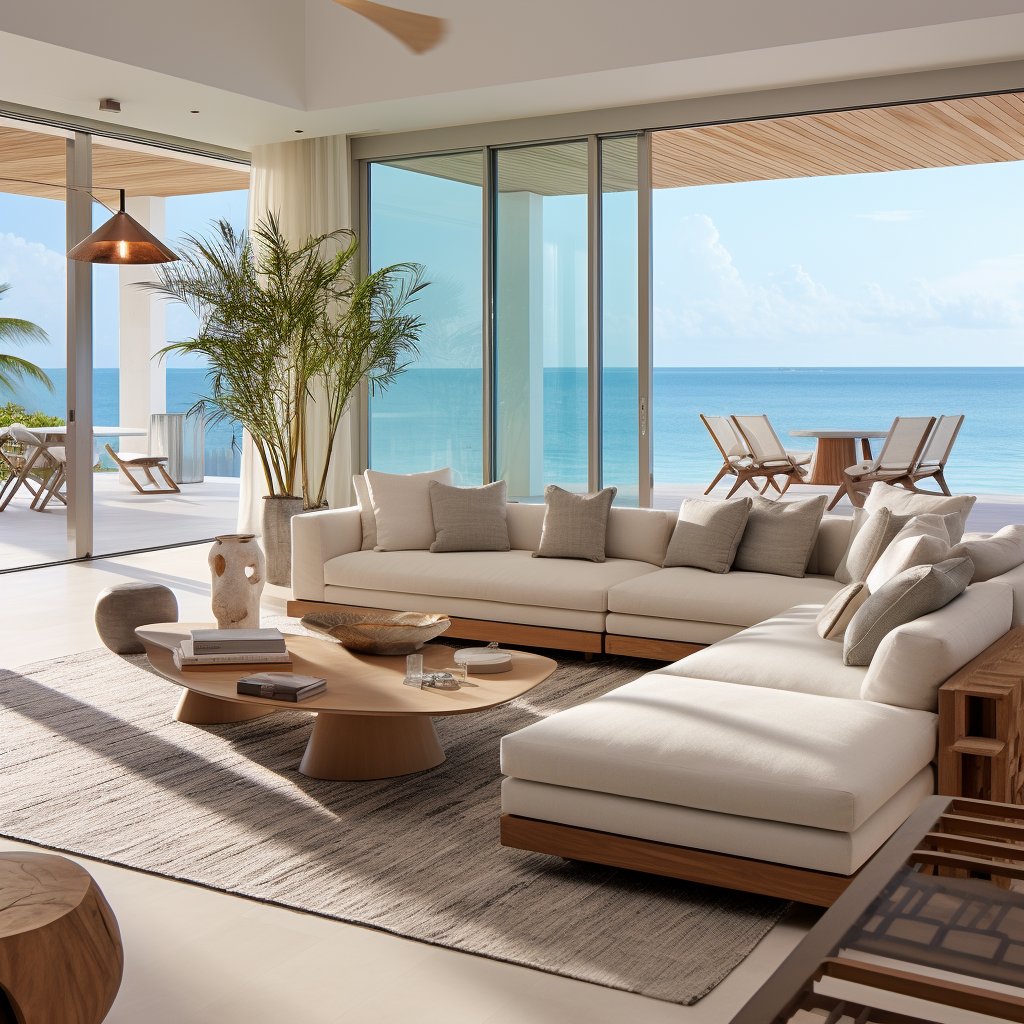
The 2025 staging survey from the National Association of Realtors found that 83% of buyers' agents said staging made it easier for buyers to visualize a property as a future home. Agents also identified the living room, primary bedroom, and kitchen as the most important rooms to stage.
If you have limited time or budget, start there. Clear extra furniture, remove personal items, and simplify the layout so each room feels larger and more functional. Clean counters, open surfaces, and balanced furniture placement often do more than expensive upgrades.
Prepare for photos, not just showings
Photos matter early in the selling process. In that same staging survey, 73% of buyers' agents said photos were important to buyers, with videos and virtual tours also playing a meaningful role.
That means your home should be camera-ready before it goes live. Pay attention to visible clutter, cords, countertop appliances, laundry piles, and anything that makes rooms look smaller or darker. A clean, bright, simple presentation usually performs better than a room filled with decor.
Fix visible issues before listing
In Hawaiʻi, pre-listing prep is not only about looks. It is also about spotting issues early so you are not scrambling after accepting an offer.
Address defects buyers will notice
Hawaiʻi's seller disclosure form asks about several condition-related issues, including unpermitted improvements, electrical or plumbing work done without licensed professionals, whether permits were finalized, roof age and repairs, mold or mildew, pests, wood-destroying organisms, damage caused by those organisms, and transferable warranties.
That makes visible defects especially important to address before photos and showings. Peeling paint, stained ceilings, damaged trim, mildew on exterior surfaces, or signs of past leaks can raise questions quickly. If something cannot be fixed before listing, it still helps to gather records and understand how you will disclose it.
Start your disclosure prep early
Under Hawaiʻi law, the seller must provide the disclosure statement no later than 10 calendar days after acceptance of a purchase contract, and the buyer then has 15 calendar days to review it and potentially rescind. That timeline is a strong reason to get organized before your home hits the market.
When you identify issues early, you have more time to decide what to repair, what to document, and what to disclose. That usually leads to a smoother transaction and fewer last-minute surprises.
Prioritize Hawaiʻi-specific condition issues
Aiea sellers should pay special attention to maintenance items that are especially relevant on Oʻahu. These are often the issues that affect both buyer confidence and the inspection process.
Check for termites and moisture
The University of Hawaiʻi Termite Project identifies the Formosan subterranean termite as the most economically important insect pest in the state. Hawaiʻi's state termite inspection report is based on a visual inspection of accessible areas only, which means concealed or blocked areas may not be inspected.
For that reason, a pre-listing termite walkthrough can be a smart step. Clear access to crawl spaces, storage areas, and other key spots if possible. It also helps to gather any past termite treatment records so you are ready when buyers ask.
Understand termite report timing
If you plan to order a current termite inspection report, timing matters. The state report form notes that the inspection information is considered reliable for no more than 15 days after the inspection date.
That means it is usually best to schedule the inspection close to your listing or transaction timeline. Ordering it too early may mean you need to repeat the process later.
Reduce moisture risks outside
The same termite resources note that leaking roofs, excessive moisture, water exposure, wood debris, and earth-to-wood contact can encourage future infestation. In Aiea, that makes exterior maintenance more than a cosmetic task.
Walk the outside of your home with fresh eyes. Look for standing water, overflowing gutters, roof debris, overgrown vegetation, stained siding, and damp areas near the foundation or walls. Small fixes in these areas can improve both appearance and buyer confidence.
Refresh your exterior before photos
Your exterior is the first thing buyers see online and in person. In Hawaiʻi's climate, it can also be where deferred maintenance shows up fastest.
Clean what buyers see first
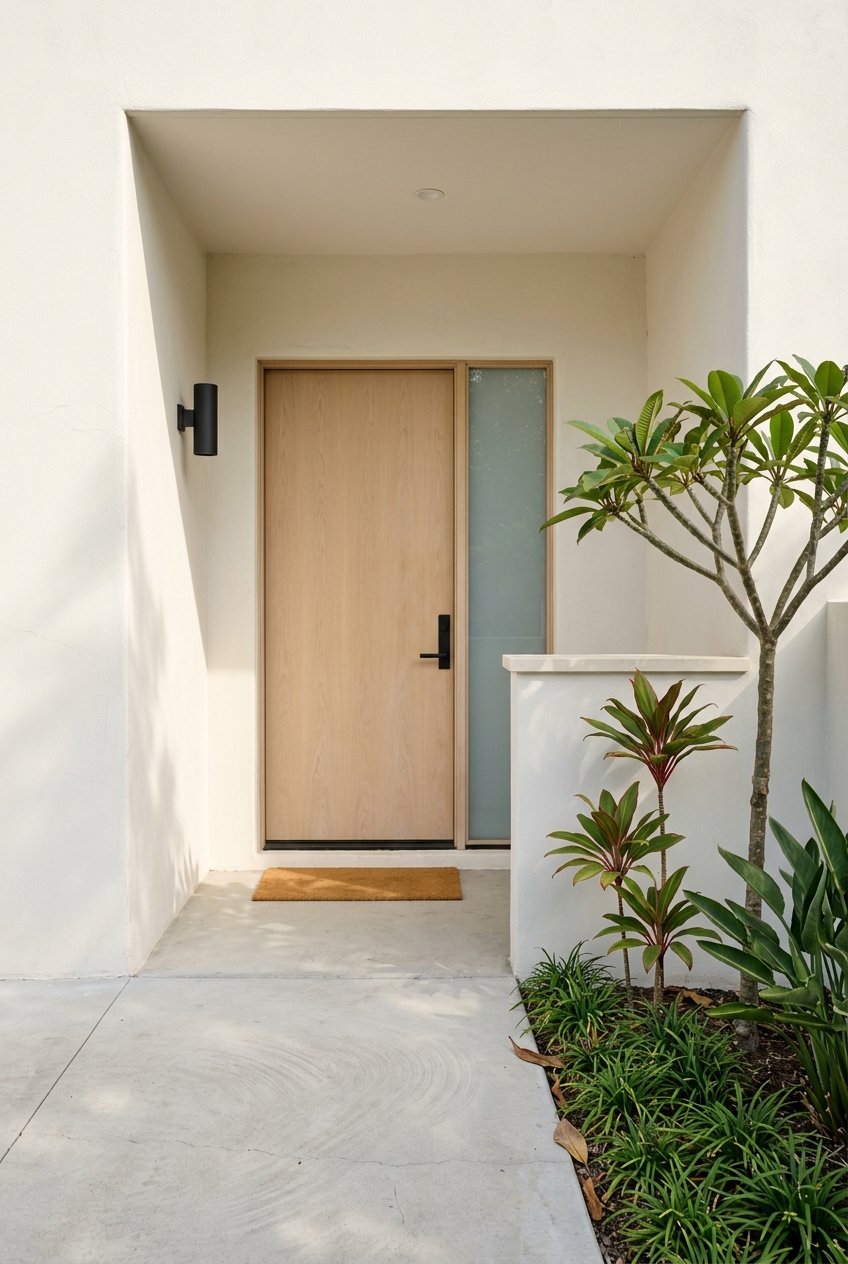
For many Aiea homes, the high-impact exterior items are simple. Tidy the landscaping, edge the walkway, clear the lanai, remove roof debris, and clean mildew or staining from siding, trim, and concrete.
These steps can make your home look better cared for without a major expense. They also help reduce the chance that obvious maintenance issues distract buyers from the home's strengths.
Pay attention to gutters and drainage
The National Weather Service describes Hawaiʻi's climate as mild year-round with moderate humidity and notable rainfall differences over short distances, with more frequent clouds and rainstorms in winter. That makes drainage and water management important selling-prep items.
Before listing, clear gutters, check downspouts, and look for places where water collects near the home. A home that appears dry and maintained tends to photograph better and raise fewer red flags.
Keep vegetation under control
The Honolulu Fire Department advises keeping brush and vegetative growth clear within 30 feet of structures, keeping roofs free of leaves and dead vegetative growth, and maintaining yards and gutters. Their guidance also notes that Hawaiʻi's wildland fire season is year-round.
For sellers, this supports a straightforward checklist: trim back overgrowth, remove dead plant material, clear clutter, and keep rooflines and gutters clean. These steps support both appearance and basic property upkeep.
Gather your documents early
One of the easiest ways to reduce stress is to get your paperwork together before your home goes live. This is especially important if you have owned the property for years or completed repairs and upgrades over time.
Documents to have ready
Hawaiʻi's disclosure materials make several records especially useful to gather in advance:
- Permits for additions, repairs, or improvements
- Records showing permits were finalized when required
- Contractor invoices for electrical or plumbing work
- Roof repair or replacement records
- Termite inspection or treatment records
- Transferable warranties, if available
- Association documents, if your property is association-governed
Having these ready can save time once offers come in. It also helps you answer buyer questions more clearly and confidently.
Time your launch around readiness
Many sellers ask when the best month is to list. In Aiea, the better question is often whether your home is fully ready before it hits the market.
Readiness beats rushing
March 2026 posted stronger Oʻahu single-family sales than April 2026, but both months still showed a relatively quick median time on market. That suggests buyer activity exists across the season, but preparation, pricing, and presentation still matter.
If you rush to market with unfinished repairs, weak photos, or missing documents, you may lose momentum right away. A well-prepared launch often matters more than trying to hit one exact week on the calendar.
Plan ahead for weather and seasonal upkeep
The Hawaiʻi Department of Health says the Central Pacific hurricane season runs from June 1 through November 30. If you have flexibility, it can help to complete roof checks, yard cleanup, and other exterior work before summer weather adds complications.
Even outside hurricane season, exterior upkeep can change quickly in Hawaiʻi's climate. The earlier you tackle outside maintenance, the easier it is to keep your home show-ready.
A simple pre-listing checklist
If you want a practical starting point, begin here:
- Declutter the living room, kitchen, and primary bedroom
- Remove personal items and extra furniture
- Deep clean floors, windows, counters, and bathrooms
- Fix visible damage such as stains, leaks, broken hardware, or peeling surfaces
- Check for mildew, moisture, and drainage problems
- Clear gutters, roof debris, and overgrown vegetation
- Gather permits, warranties, and contractor records
- Pull past termite treatment or inspection records
- Schedule staging, photos, and pricing before going live
You do not have to do everything at once. The goal is to focus on the issues most likely to affect buyer perception, disclosure, and inspections.
Preparing your Aiea home for the market is really about making smart, local decisions before the sign goes up. If you want help building a clear plan for repairs, pricing, photos, and launch timing, reach out to Sean Fujimoto for practical guidance tailored to your Oʻahu property.
FAQs
What should sellers in Aiea fix before listing a home?
- Focus first on visible defects, moisture-related issues, termite concerns, and items likely to come up in Hawaiʻi's disclosure statement or a buyer inspection.
Should Aiea home sellers order a termite inspection before listing?
- Often yes, because termites are a major issue in Hawaiʻi, inspections are visual only, and current report timing is limited.
What documents should Aiea sellers gather before putting a home on the market?
- Start with permits, proof permits were finalized when required, contractor invoices, termite records, warranties, roof records, and association documents if they apply.
Do Aiea homeowners need to remodel before selling?
- No, not usually. Most sellers will benefit more from decluttering, cleaning, fixing visible issues, and making the home photo-ready.
When is the best time to list a home in Aiea?
- The best time is usually when your home is fully ready, with repairs completed, documents organized, and marketing materials prepared for a strong launch.