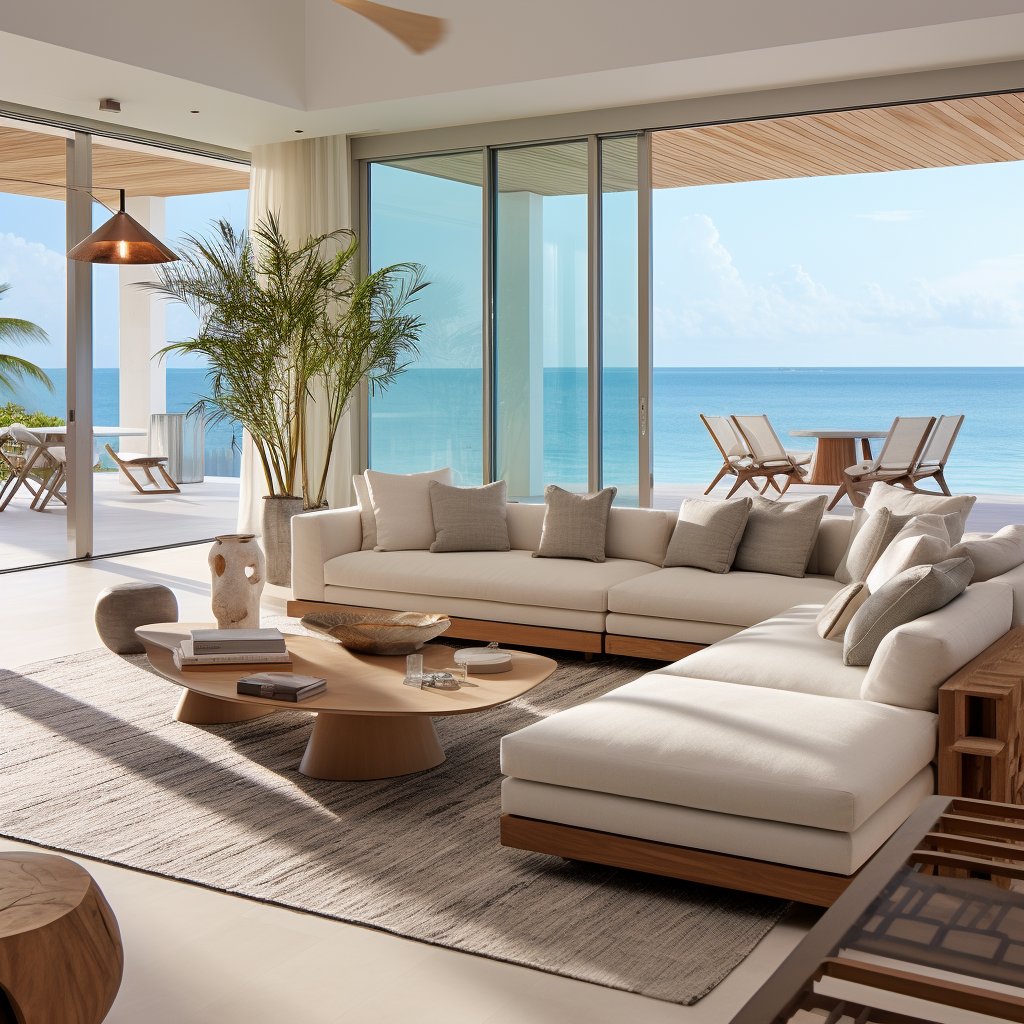
Choosing between a condo and a house in Kaneohe feels like choosing a lifestyle. You want a home that fits how you actually live, commute, and spend weekends on the windward side. This guide breaks down the real differences you will feel day to day, plus the costs, maintenance, and rules that matter most here. By the end, you will have a clear checklist to help you decide. Let’s dive in.
Kaneohe at a glance
Kaneohe offers a relaxed, suburban-tropical vibe with scenic views of the Koʻolau mountains and easy access to Kaneohe Bay, botanical gardens, and parks. You will find a mix of single-family neighborhoods, townhome communities, and condo complexes, many built from the post‑war era through the 1990s. Newer developments exist but are not as common as in many mainland suburbs. Many residents commute via Likelike Highway, Pali Highway, H‑3 and segments of Kamehameha Highway, and peak traffic can stretch drive times.
If you are tracking prices and days on market, check current reports from trusted local sources before you decide. Oʻahu markets shift quickly, and single‑family homes often draw more competition than condos and townhomes. Focus on trends rather than last month’s number. Your agent can pull the latest neighborhood‑level data when you are ready to compare options.
Condo, townhome, or house: daily life
Privacy and noise
Single‑family homes usually offer more privacy, no shared walls, and fewer noise concerns. Condos and many townhomes share walls or floors, and common areas bring more neighbor proximity. House rules help, but some buildings will feel busier than a quiet street of detached homes. Decide how much quiet you want and when you are home most often.
Outdoor space and storage
If you want a yard for gardening, pets, or outdoor entertaining, a house typically fits best. Condos often offer a lanai or small balcony with shared green space and limited storage. Townhomes can strike a middle ground, sometimes with small yards or courtyards. For kayaks, boards, and bikes, confirm storage and parking rules in any condo or townhome community.
Views and siting
Mid‑rise and high‑rise condos may capture dramatic views of Kaneohe Bay or the mountain ridgelines. Single‑family homes can offer great vistas too, but siting varies widely by lot location and elevation. Prioritize what you will see out your windows every day, not just the best angle at sunset.
Parking and guest access
Houses usually provide a driveway or garage with easier guest parking on nearby streets. Condos can have assigned stalls, guest parking rules, and fines for violations. Townhomes vary by complex. If you regularly host friends and family, review parking maps and policies before you fall in love with a unit.
Community and amenities
Condos and many townhomes offer amenities like a pool, gym, barbecue areas, and security. These can add convenience and a built‑in sense of community. Single‑family homes give you more autonomy, but you will plan your own fitness and recreation routines. If you prefer a lock‑and‑leave lifestyle, condo amenities may be worth the monthly fee.
Maintenance time
With a house, you control the timing and vendors for maintenance, but you also shoulder yard care, exterior painting, roof upkeep, and more. Condos bundle many exterior responsibilities into a predictable HOA fee, which reduces your time commitment. You will rely on the association’s maintenance standards and responsiveness. Choose the balance of time and control that suits your schedule.
Ownership costs to compare in Kaneohe
Upfront and closing costs
Down payments and loan qualification work much the same in Hawaii, but condo loans often include extra underwriting on the association’s financials, owner‑occupancy ratio, and any litigation. Closing costs in Hawaii include state and county conveyance taxes and typical title and escrow items. Ask your agent and a local title company for current estimates before you write an offer.
Recurring monthly and annual costs
Hawaii’s effective property tax rates are relatively low compared with many states, but Oʻahu’s home values can make the final bill meaningful. Electricity from Hawaiian Electric is among the highest in the U.S., so energy usage and potential for solar matter. Water service runs through the Honolulu Board of Water Supply on Oʻahu. Build realistic budgets for utilities, internet, and any service subscriptions you plan to use.
Insurance differences by property type
Single‑family owners typically carry a standard homeowners policy for structure and contents, and may need separate flood or wind coverage depending on location and insurer. Condo and townhome owners rely on a master HOA policy for common elements and sometimes part of the exterior. You will still need an HO‑6 policy for interiors, personal property, liability, and loss assessment coverage. Coastal exposure can affect premiums and deductibles, so obtain quotes early in your search.
HOA fees, reserves, and assessments
Condo and many townhome communities charge a monthly fee that covers common maintenance, landscaping, amenities, some utilities, and the master insurance policy. Fees vary by age of building, amenities, elevators, and reserve funding. Associations may raise fees over time or levy special assessments for major repairs. Review reserve studies and current balances to gauge future risk.
What to request during due diligence
- HOA budget, reserve study, recent meeting minutes, and master insurance summary
- Any current or pending special assessments
- Sample utility bills for the property
- Insurance premium estimates and claims history
- Termite treatment records and active contracts
Maintenance and environmental realities on the windward side
Climate and salt exposure
Kaneohe’s windward climate brings higher humidity, trade‑wind exposure, and salt air near the coast. Corrosion on metal fixtures and equipment can accelerate. Exterior paint, railings, and HVAC components may age faster without consistent upkeep. Moisture management is key to comfort and long‑term durability.
Rainfall, drainage, and slopes
Frequent rainfall means you should pay close attention to grading, gutters, and surface drainage. On hillside lots, evaluate retaining walls and prior engineering or geotechnical reports for slope stability. Poor drainage can show up as water intrusion, peeling paint, or musty odors inside. Ventilation and well‑placed exhaust fans help reduce mold risk.
Flooding and sea‑level considerations
Check flood zone status on FEMA maps during your research. Properties near Kaneohe Bay can face higher exposure to storm surge and long‑term sea‑level rise. Flood insurance requirements and premiums vary by zone and carrier. Knowing your risk before you buy helps you budget and plan improvements.
Termites and pests
Hawaii’s tropical climate increases termite pressure. Ask for a wood‑destroying organism inspection and review treatment history. Ongoing pest control contracts can be a smart preventive measure. Budget for regular inspections and follow‑up treatments as needed.
Septic and cesspool systems
Some older properties may use cesspools or older septic systems. State and county regulations are phasing out certain systems and may require upgrades in specific situations. Verify the system on site, permitting status, and any upcoming compliance deadlines during due diligence.
HOA and rental rules you need to know
How condo associations work
Condominiums in Hawaii are governed by statutes that set rules for creation and management, with each association controlled by its declaration, bylaws, and house rules. These documents outline use limits, pet policies, maintenance responsibilities, parking, and rental rules. The master insurance policy can be “bare walls” or “walls‑in,” which affects how much your HO‑6 policy must cover. Ask for the deductible amount and whether owners can be assessed for part of a large claim.
What to review before you commit
- Recorded declaration and bylaws plus amendments
- House rules, pet restrictions, parking policies, and leasing rules
- Current budget, balance sheet, reserve study, and reserve balance
- Insurance certificate and summary of master policy coverage
- Meeting minutes from the past 12 to 24 months and any litigation disclosures
Financing and underwriting
Lenders often require a minimum owner‑occupancy percentage and will review the HOA’s financials and legal status. Buildings with limited reserves or ongoing litigation can restrict loan options. If you are buying a condo, have your lender confirm project eligibility early to avoid surprises.
Short‑term vs long‑term rentals
Honolulu’s rules are strict for transient vacation rentals, and many residential neighborhoods and associations prohibit short‑term stays. Minimum lease terms and rental caps vary by community. Long‑term rentals are more common, but owners still must follow county and state tax rules. If investment flexibility matters, verify rental policies at both the county and HOA levels before you buy.
Red flags to watch
- Very low reserves relative to the reserve study
- Repeated special assessments or fast‑rising HOA fees
- Pending litigation that could impact finances
- High investor share if your loan requires a certain owner‑occupancy ratio
- Ambiguous insurance coverage or very large master policy deductibles
Which home fits your lifestyle
Low‑maintenance living
If you prefer predictable costs and less hands‑on upkeep, condos and townhomes often fit best. Amenities like a pool or gym add convenience. Confirm what the HOA fee covers and how well the association maintains the property. Ask about planned projects that could affect noise or fees.
Space for households
Small households who need multiple bedrooms or want a yard often lean toward single‑family homes. You gain privacy and room for storage, hobbies, and outdoor gatherings. Townhomes with larger footprints can also work if you want less exterior maintenance. Check parking and guest policies if you host frequently.
Multigenerational and flexible layouts
Single‑family homes with larger lots or flexible layouts can serve multigenerational living. Zoning and permitted improvements matter if you plan changes. Some townhomes offer multiple bedrooms across two floors, which can provide separation without the overhead of a large yard.
Downsizers and retirees
Condos can be ideal for a lock‑and‑leave lifestyle, especially with elevator access and proximity to services. Focus on accessibility, storage, noise, and parking convenience. If you enjoy gardening and a bit of DIY, a smaller single‑family home could still be a comfortable fit.
Investors and future landlords
Kaneohe’s long‑term rental demand is steady in many segments, but HOA leasing rules and county regulations will shape your strategy. Review rental minimums, any caps, and how violations are enforced. Build a conservative budget that includes vacancy, maintenance, management, insurance, and reserves for capital items.
Your on‑island comparison checklist
- Cost flows:
- Monthly mortgage estimate
- Property tax estimate
- HOA fee amount, what it covers, and reserve balance
- Estimated utilities for electricity and water, plus internet options
- Insurance premium estimates for homeowner or HO‑6, and flood or wind if needed
- Legal and HOA documents:
- CC&Rs, bylaws, house rules, and leasing policy
- Current budget, reserve study, insurance certificate, and any litigation disclosures
- Meeting minutes from the last 12 to 24 months
- Physical condition and maintenance:
- Roof age and recent repairs
- Exterior paint and protective coatings
- Balcony, railing, and exterior caulking condition in condos
- HVAC age, visible corrosion, and appliance condition in salt air
- Drainage, gutters, grading, and any signs of moisture or mold
- Termite inspection and treatment history
- Location and lifestyle:
- Commute routes to work and daily services
- Access to Kaneohe Bay, parks, and trails
- Noise sources such as highways or commercial areas
- Flood zone status and proximity to shoreline
- Parking and storage:
- Assigned stalls, guest parking rules, and storage availability
- Garage or driveway capacity and room for outdoor gear
- Insurance and financing:
- HOA master policy type and deductible
- Lender acceptance of the condo project, if applicable
- Resale and rental considerations:
- Owner‑occupancy percentage and any rental caps
- Short‑term rental restrictions at both HOA and county levels
Next steps: local guidance you can trust
Your best choice in Kaneohe will come from balancing lifestyle wants with true cost and maintenance realities. Compare how you spend time, how much control you want over upkeep, and what rules you are comfortable living with. Then back your choice with solid due diligence on reserves, insurance, flood risk, and building condition.
If you want a clear, step‑by‑step path from touring to closing or a plan to hold the property as a rental, let’s talk. Our team pairs local market expertise with property management systems that make ownership smoother. Reach out to Sean Fujimoto for practical guidance, current market data, and a plan that fits your goals.
FAQs
What costs are different for Kaneohe condos vs houses?
- Condos add HOA fees and require an HO‑6 policy, while houses carry more variable maintenance and may need separate flood or wind coverage based on location.
How do HOA reserves affect my monthly costs in Kaneohe?
- Strong reserves reduce the risk of special assessments, while low reserves can lead to fee hikes or one‑time assessments for major repairs.
What inspections are most important for windward Oʻahu homes?
- Prioritize a roof check, drainage and moisture evaluation, termite inspection, and a review of corrosion on railings, fasteners, HVAC, and exterior fixtures.
Do Kaneohe condos allow short‑term rentals?
- Many do not, and Honolulu rules are strict for transient rentals, so always verify the HOA’s leasing policy and county regulations before assuming any rental use.
How does flood zone status impact buying near Kaneohe Bay?
- Flood zone status can affect insurance requirements, premiums, and long‑term risk planning, so verify the designation and obtain quotes early in your process.
Is a townhome a good middle ground in Kaneohe?
- Often yes, since townhomes can offer more space and storage than condos with less exterior upkeep than a house, but rules, fees, and parking vary by community.