Looking for a place on Oʻahu where everyday routines feel a little easier to manage? For many households, ʻEwa Beach stands out because it blends neighborhood living, nearby errands, shoreline access, and planned communities into one part of West Oʻahu. If you are thinking about buying, renting, or simply getting to know the area better, this guide will walk you through what daily life in ʻEwa Beach can actually look like. Let’s dive in.
What Daily Life Feels Like
ʻEwa Beach is home to 16,415 residents, with 3,385 households and an average of 4.2 people per household according to the U.S. Census. The area also has an owner-occupied housing rate of 72.9 percent, which points to a community where many residents put down long-term roots.
The population profile adds to that picture. About 22.2 percent of residents are under 18, 21.1 percent are 65 and over, and 35.3 percent speak a language other than English at home. In practical terms, that suggests a multigenerational community where you may see a mix of young kids, working adults, and kūpuna sharing the rhythm of daily life.
Planned Communities Shape the Area
A big part of ʻEwa Beach living comes from its master-planned neighborhoods. Instead of feeling spread out or random, much of the area is organized around residential communities, common areas, recreation spaces, and nearby shopping.
Ewa by Gentry is one of the best-known examples. Its association notes that the community includes numerous single-family neighborhoods along with several multi-family condominium communities, and it also manages common areas, architectural guidelines, social events, and resident communication.
Hoakalei offers a similar structure with a more resort-style setting. The 726-acre community includes four residential neighborhoods, Hoakalei Country Club, and Wai Kai, a 52-acre lagoon destination with water activities, trails, shoreline access, restaurants, retail, and events.
For many residents, this means your day-to-day experience can include more than just your home. It may also include neighborhood trails, shared amenities, organized events, and HOA-guided upkeep that helps shape the overall feel of the area.
Home Options in ʻEwa Beach
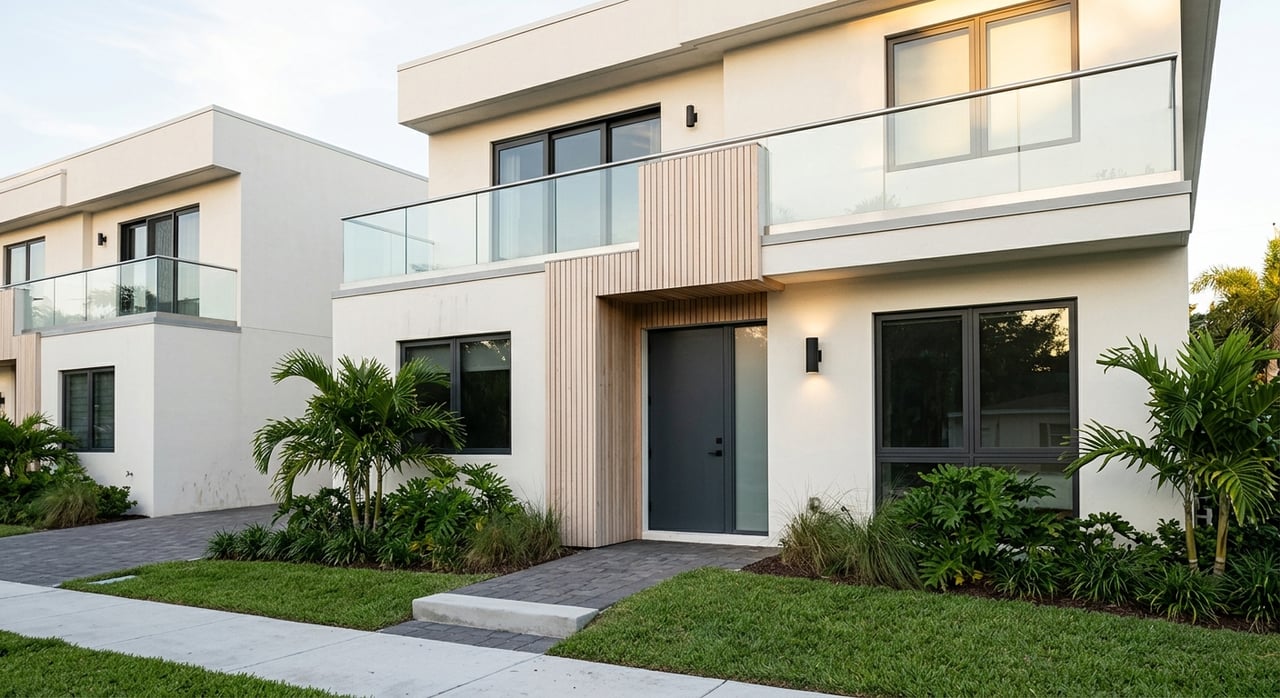
If you are exploring housing in ʻEwa Beach, you will find a mix of property types rather than one single style. In the larger planned communities, detached single-family homes, townhomes, and condo-style homes are all part of the local housing landscape.
That variety can be helpful if your needs are changing. You might be looking for a detached home with more space, a townhome with a lower-maintenance setup, or a condo-style property that fits a different budget or lifestyle.
There are also practical differences in how some neighborhoods operate. For example, Ewa by Gentry explains that single-family landscape and maintenance are typically the homeowner’s responsibility, while townhome and condo landscape concerns usually go through the resident or property manager.
Parks and Outdoor Time
One reason many people enjoy ʻEwa Beach is how easy it is to build outdoor time into your week. The area’s lifestyle is closely tied to shoreline recreation, walking paths, and public parks.
At Hoakalei and Wai Kai, the community description highlights activities like walking, biking, running, kayaking, stand-up paddleboarding, and shoreline access. White Plains Beach is also mentioned as part of the local recreation routine.
Beyond the private and master-planned amenities, city parks are part of everyday life too. Honolulu’s Department of Parks and Recreation lists ʻEwa Beach Community Park and ʻEwa Mahiko District Park among area parks with court facilities.
For households with kids, seasonal programming can matter just as much as the parks themselves. The city’s Summer Fun program includes day camps and enrichment classes for keiki across Oʻahu parks, which adds another layer to the area’s family routine.
Errands Are Close to Home
Daily convenience is a major part of what makes ʻEwa Beach work for many residents. You do not always need to plan a long trip for the basics, because many everyday stops are nearby.
Ewa Town Center is a key local errand hub on Fort Weaver Road. Its merchant mix includes Foodland, Longs Drugs, Aloha Petroleum, First Hawaiian Bank, Clinical Labs of Hawaii, Great Clips, and casual dining options.
The center also notes practical features that matter during a busy week, including walkability within the center, ample parking, and access near a bus line. If your day includes groceries, a prescription pickup, a quick meal, or a stop at the bank, this kind of setup can make routines more manageable.
For bigger shopping trips, Ka Makana Aliʻi in nearby Kapolei serves as the regional retail center for West Oʻahu. The center includes more than 100 stores and restaurants, plus a theater, hotel, parking, and transit access, with additional retailers and services at The Grove such as Foodland Farms, Straub Clinic and Urgent Care, PetSmart, and 24 Hour Fitness.
Community Events and Local Rhythm
In ʻEwa Beach, everyday life is not only about errands and commuting. It also includes the events and gathering places that help neighbors stay connected.
Ewa Town Center hosts keiki events and seasonal craft fairs as part of its programming. Ka Makana Aliʻi also features recurring events, including a bi-weekly farmers market.
Civic life has visible meeting points too. The ʻEwa Neighborhood Board meets in public session at the ʻEwa Beach Public and School Library, giving residents a local forum for updates, discussion, and community concerns.
That matters because it helps show how the area functions beyond housing alone. In ʻEwa Beach, the rhythm of the community often runs through neighborhood boards, libraries, shopping centers, and planned-community communication.
A Place With Local Character
Although many people think of ʻEwa Beach mainly as a coastal suburb, some neighborhoods also bring a stronger sense of place through cultural and environmental stewardship. At Hoakalei, the Hoakalei Cultural Foundation oversees conservation areas and promotes Native Hawaiian culture, traditions, plant life, and archaeology.
That kind of work can shape how a neighborhood feels over time. It adds context to the land, the shoreline, and the shared spaces around the community, which can make the area feel more grounded than a generic subdivision.
What Families Often Want to Know
If you are trying to picture life here, a few questions tend to come up again and again. Can you handle most errands locally? In many cases, yes, thanks to Ewa Town Center for day-to-day needs and Ka Makana Aliʻi for larger shopping and entertainment trips.
What kinds of homes are most common? In the major planned communities, the most common options include single-family homes, townhomes, and condo-style residences.
Is there enough to do during the week and on weekends? For many households, the answer is yes, especially with shoreline recreation, Wai Kai activities, city parks, and regular community events adding options close to home.
Why ʻEwa Beach Appeals to Many Households
At a practical level, ʻEwa Beach offers a combination that can be hard to find in one place. You have planned neighborhoods, a strong owner-occupied presence, nearby errand hubs, outdoor recreation, and visible community gathering points.
For some people, that means a better fit for long-term homeownership. For others, it may mean a neighborhood where daily routines feel more supported, whether you are focused on convenience, space, outdoor time, or access to services.
If you are weighing a move, a purchase, or a rental strategy in West Oʻahu, it helps to look past the map and focus on how a place works day to day. If you want help understanding homes, neighborhoods, or long-term real estate options in ʻEwa Beach, connect with Sean Fujimoto for practical, local guidance.
FAQs
What is everyday life like in ʻEwa Beach for local households?
- Everyday life in ʻEwa Beach often centers on planned neighborhoods, nearby shopping, parks, shoreline recreation, and community gathering places like the library and neighborhood board meetings.
What types of homes are common in ʻEwa Beach?
- Common home types in ʻEwa Beach include detached single-family homes, townhomes, and condo-style residences, especially in communities like Ewa by Gentry and Hoakalei.
Are errands easy to handle in ʻEwa Beach?
- Yes, many daily errands can be handled locally at Ewa Town Center, while larger shopping, dining, and entertainment trips often happen at Ka Makana Aliʻi in nearby Kapolei.
What outdoor activities are available in ʻEwa Beach?
- Residents have access to activities such as walking, biking, running, kayaking, stand-up paddleboarding, shoreline access, and park-based recreation.
Are there community events in ʻEwa Beach?
- Yes, local gathering points include retail-center events like keiki activities, seasonal craft fairs, and farmers markets, along with public neighborhood board meetings at the ʻEwa Beach Public and School Library.
Why do many people consider ʻEwa Beach for long-term living?
- Many people are drawn to ʻEwa Beach because of its mix of owner-occupied neighborhoods, varied housing choices, local services, outdoor access, and community-oriented structure.