Buying a Honolulu condo as an investment can look simple on the surface, but the details matter fast. Monthly dues, reserve funding, insurance, rental rules, and building policies can all shape whether a unit feels manageable or stressful. If you want a clearer picture of what you are really buying and what it takes to manage it well, this guide will walk you through the basics. Let’s dive in.
What You’re Buying in a Honolulu Condo
When you buy a condo in Honolulu, you are not just buying the space inside your unit. You are also buying into a shared governance structure that is shaped by the project’s declaration, bylaws, and house rules. In Hawaiʻi, condominium associations are largely self-governing, and Chapter 514B governs condo governance for both newer and older projects.
That matters because the association documents help define what owners can do, what the board controls, and how the building is run. For an investor, those details can affect leasing, renovations, pet policies, use restrictions, and access to records. A condo can be a great fit, but it is not the same as owning a detached home.
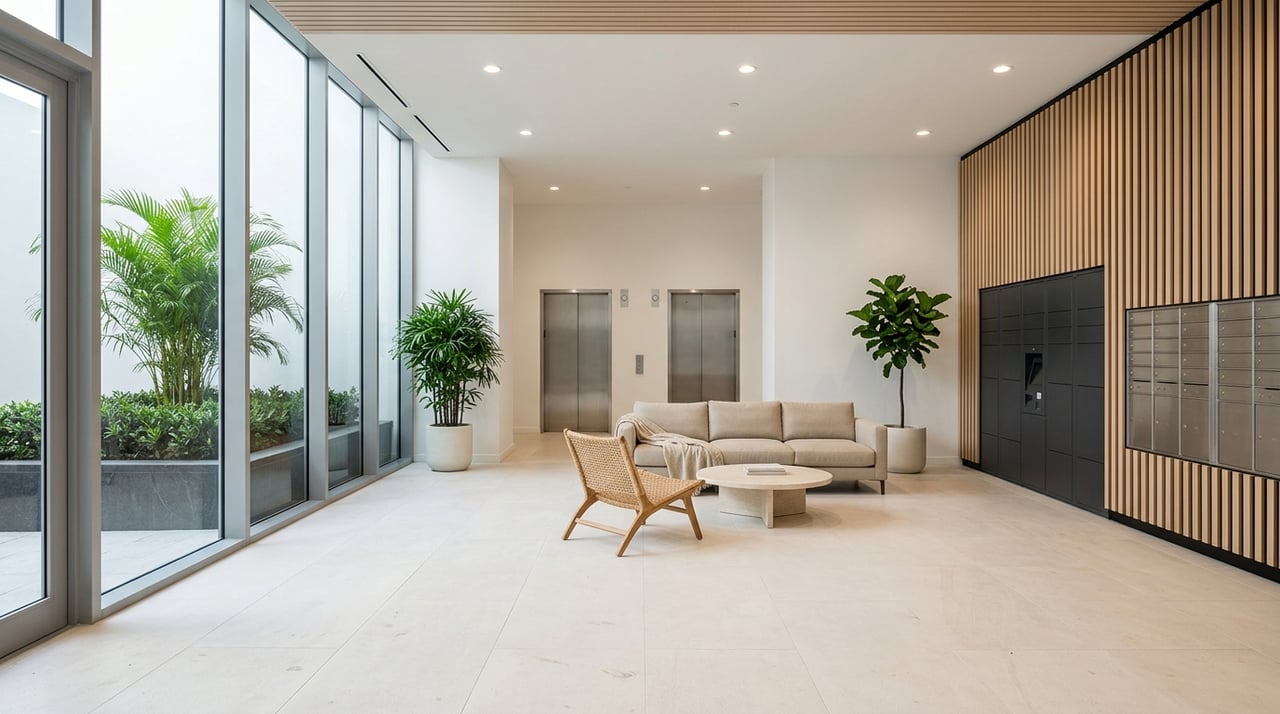
In Honolulu, many condo projects are also built around shared amenities. Depending on the building, that may include features like parking structures, amenity decks, pools, sundecks, barbecue areas, fitness or yoga rooms, community gardens, and security staffing. Not every project offers the same setup, but shared features are a common part of the ownership experience in larger urban towers.
Review the Condo Documents Early
Before you buy, the Hawaiʻi Department of Commerce and Consumer Affairs recommends reviewing key association records. That includes the declaration, bylaws, house rules, public reports, financial records, and the management contract.
These documents can tell you a lot about how the building operates and whether it fits your investment plan. They can also help you spot possible concerns before you are under contract pressure. If you want the most recent declaration, bylaws, or map, the Bureau of Conveyances is the place to find them.
Costs That Shape Condo Cash Flow
For many investors, the monthly mortgage payment gets the most attention. In Honolulu condos, though, recurring ownership costs often have just as much impact on your cash flow. If you skip these line items, you can end up with a very different return than you expected.
HOA Dues and Reserve Funding
Monthly HOA dues often cover operating expenses, insurance, reserves, and routine upkeep. Those dues are not just a convenience fee. They help support the day-to-day function of the property and the long-term repair needs of the building.
There is no one reserve number that works for every condominium. According to DCCA, each project has different repair and replacement needs, so low reserves can lead to deferred maintenance or special assessments.
Hawaiʻi law also requires annual budgets to disclose operating expenses, reserve balances, reserve contribution assumptions, and a 30-year reserve plan. If a reserve study was not prepared by an independent reserve study preparer, it must be reviewed by one at least every three years. Associations must generally fund at least 50% of estimated replacement reserves, or 100% if they use a cash-flow plan.
Property Taxes in Honolulu
Property taxes are another major part of condo ownership costs. For tax year July 1, 2025 through June 30, 2026, the City and County of Honolulu published these rates:
| Tax Classification | Rate per $1,000 of Net Taxable Value |
|---|---|
| Residential | $3.50 |
| Residential A up to $1,000,000 | $4.00 |
| Residential A over $1,000,000 | $11.40 |
| Long-Term Rental up to $1,300,000 | $2.95 |
| Long-Term Rental $1,300,001 to $3,000,000 | $5.00 |
| Long-Term Rental over $3,000,000 | $8.50 |
Your tax classification can affect your annual carrying costs, so it is worth confirming how a property may be classified and taxed before you buy. This is especially important if you are comparing a condo for personal use versus a condo intended as a long-term rental.
Insurance and Coverage Gaps
Insurance is another area where first-time condo investors can get caught off guard. Under Chapter 514B, associations generally maintain property insurance, liability insurance, fidelity bonding, and directors-and-officers coverage. Flood insurance is also required in special flood hazard areas.
For attached units, association property insurance generally covers limited common elements, but not your unit’s interior improvements or furnishings. That means you need to understand where the master policy stops and where your own coverage needs begin. You should also ask about deductibles, because those can affect your risk planning.
Fire-Safety Compliance Costs
In Honolulu, high-rise compliance can also affect the cost picture. The Honolulu Fire Department says existing high-rise residential buildings must comply with Ordinance 19-04, and the city fire code adopted NFPA 1 with state and county amendments effective January 3, 2025.
Chapter 514B also requires budgets in counties with more than 500,000 residents to include estimated fire-safety equipment or installation costs. For condo investors, that means building safety compliance is not just a background issue. It can show up directly in budgets, planning, and future expenses.
Leasing Rules Investors Need to Know
A condo that looks good on paper can still be a poor investment if the rental rules do not match your plan. In Honolulu, leasing rules come from more than one source. You need to consider state landlord-tenant law, county land-use rules, and the condo’s own governing documents.
Long-Term Rentals Follow State Rules
Long-term rentals in Hawaiʻi fall under the Residential Landlord-Tenant Code. The Office of Consumer Protection says Act 278 began a two-year pilot on February 5, 2026 that requires mediation if a tenant requests it within 10 days of receiving a nonpayment eviction notice.
For a small investor, that means timing and paperwork can be more structured than expected. If you are used to mainland assumptions about landlord flexibility, Honolulu rentals may require a more careful process.
Short-Term Rentals Are Tightly Restricted
Short-term rental use is heavily restricted in Honolulu. Under the city’s land-use ordinance, unpermitted transient vacation units may not be rented, offered for rent, or advertised for fewer than 30 consecutive days. Only certain locations or legally established units may operate under the city’s short-term-rental rules.
That means you should never assume a condo can generate Airbnb-style income. You need to verify both the building’s house rules and the property’s zoning or permitted use status before you count on short-term rental revenue.
Building Rules Can Change the Math
Even if market rent looks strong, the condo’s own rules may change your numbers. Some buildings restrict leasing, limit the number of rentals, require special disclosures, or ban certain rental uses altogether.
That is why Honolulu condo investing is not just about purchase price and rent estimates. Compliance plays a direct role in cash flow, flexibility, and long-term holding strategy.
What Good Condo Management Covers
If you plan to hold a Honolulu condo as a rental, management can make the experience much smoother. Hawaiʻi law defines a managing agent as an independent contractor retained to manage property operations. The statute requires the managing agent to be a licensed real estate broker or qualified corporation, registered with the commission, bonded, and acting as a fiduciary.
That legal framework is helpful because it sets a clear standard for who can manage the property and how that relationship should work. The management contract must be in writing and must spell out services, compensation, and financial and accounting obligations.
In practical terms, professional management often includes tasks like:
- Collecting rent or assessments
- Coordinating repairs and vendor bids
- Tracking maintenance requests
- Keeping books and records
- Communicating with owners and tenants
- Helping track association and landlord-tenant deadlines
For an owner, that can mean fewer missed notices, better recordkeeping, and less day-to-day stress. It can also help create a more consistent experience for tenants and a more organized process for the property overall.
Questions to Ask Before You Buy
If you are looking at Honolulu condos as rentals, a few upfront questions can save you time and money. The best questions often focus on costs, restrictions, and records rather than just finishes or views.
Start with these:
- What do the HOA dues cover?
- How much is in reserves?
- Are any major repairs or special assessments expected?
- What does the master insurance policy cover?
- What deductibles apply?
- Are leases restricted?
- Is short-term rental use allowed at all?
- What association records are available before closing?
These questions help you evaluate the condo as an income property, not just a place that looks appealing during a showing. That shift in mindset is one of the most important basics for Honolulu investing.
Why Management Support Matters in Honolulu
Honolulu condo investing comes with a lot of moving parts. You are balancing HOA governance, reserve planning, insurance questions, fire-safety compliance, landlord-tenant rules, and strict short-term rental restrictions.
For many small owner-landlords, that is exactly where professional support becomes valuable. A strong local team can help you stay organized, reduce avoidable compliance mistakes, and keep the rental side of ownership running with less friction.
If you are weighing whether to buy, hold, or rent out a Honolulu condo, working with a team that understands both sales and long-term management can make the decision process much clearer. If you want practical, local guidance on your next step, connect with Sean Fujimoto.
FAQs
What documents should you review before buying a Honolulu condo investment?
- Review the declaration, bylaws, house rules, public reports, financial records, and management contract before buying.
What do Honolulu condo HOA dues usually cover?
- HOA dues usually help cover operating expenses, insurance, reserves, and routine upkeep, though the exact coverage depends on the project.
What rental rules matter most for Honolulu condo investors?
- The most important rules usually include the condo’s own leasing restrictions, state landlord-tenant requirements, and Honolulu’s strict short-term rental limits.
What insurance should you understand for a Honolulu condo?
- You should understand what the association’s master policy covers, what it does not cover inside your unit, and what deductibles may apply.
Why hire a property manager for a Honolulu condo rental?
- A licensed property manager can help with rent collection, maintenance coordination, recordkeeping, communication, and staying on top of compliance requirements.