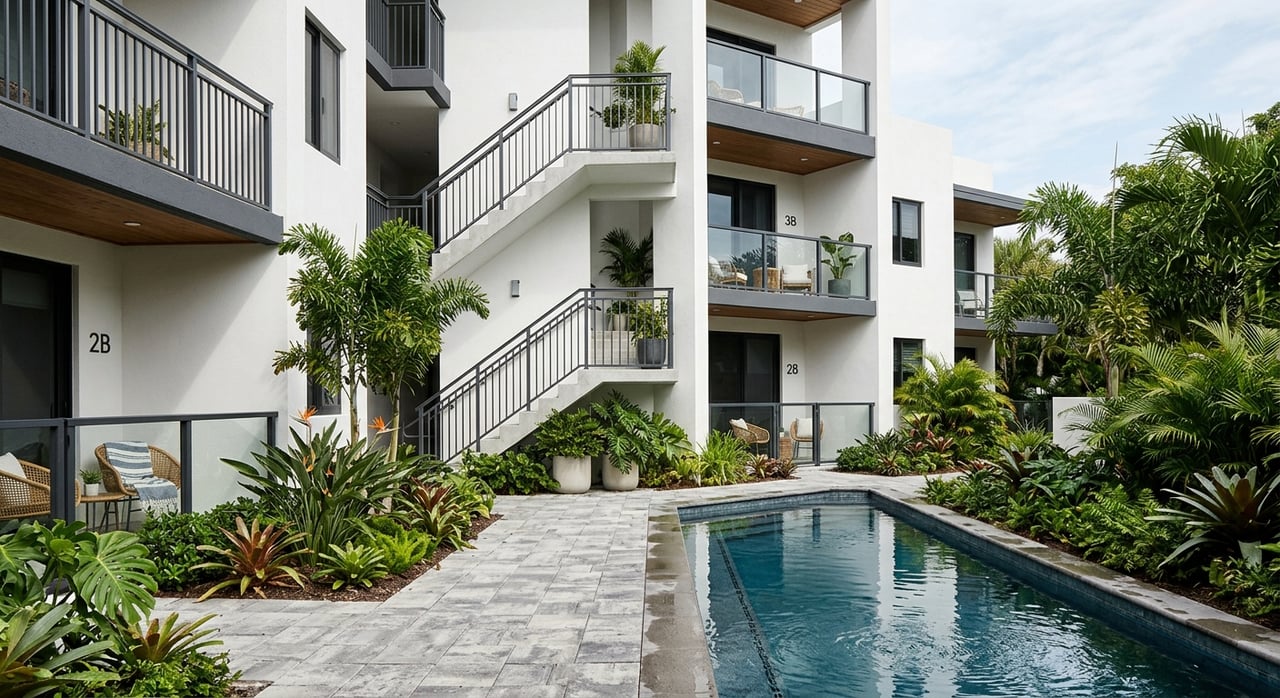
If you want a home in Kailua without the full upkeep of a larger lot, a condo or townhome can be a smart fit. But in Kailua, attached-home living is about more than a pretty floor plan or a short drive to the beach. You also need to understand shared rules, monthly fees, reserve funding, and who handles what maintenance. Let’s dive in.
Why Kailua Attached Homes Feel Different
Kailua is in the Ko‘olaupoko area, where City and County planning materials describe a windward planning area that aims to preserve existing residential character and limit development to a modest level. That context helps explain why attached housing in Kailua often feels more neighborhood-scaled than tower-heavy.
A current City housing project at Kihapai Place reflects that pattern with a four-story building and 42 one- and two-bedroom units. That does not mean every property looks the same, but it does suggest that low-rise living is a common part of the Kailua attached-home experience.
For you as a buyer, that can mean a very different feel from Honolulu’s denser urban condo districts. In Kailua, many condo and townhome communities lean toward a lower-density setup with more emphasis on day-to-day livability.
What You’ll Commonly See
Kailua condo and townhome listings often highlight practical features that support everyday comfort. Based on recent local listing examples, you may come across:
- Two-bedroom, two-bath layouts
- Ground-floor units with enclosed lanais
- Split-level or tri-level townhome-style floor plans
- Covered parking or enclosed two-car garages
- Guest parking stalls
- Renovated kitchens
- Larger lanai areas
- Secure building access
- Resident managers
- Elevator access in some communities
The exact mix depends on the project. Still, a common thread is that many Kailua attached homes offer usable indoor-outdoor space, parking, and a less crowded feel.
Condo or Planned Community Matters
One of the biggest things to understand is that a townhome is not always governed the same way. In Hawaii, some Kailua properties are legally condominiums under Chapter 514B, while others are planned communities under Chapter 421J.
That difference matters because the governing structure affects maintenance duties, rules, notice requirements, and how the association operates. You cannot tell the legal setup just by looking at the exterior.
How Condominium Governance Works
Under Hawaii condominium law, a condo generally involves separate ownership of your unit plus shared ownership of common elements. The association may adopt rules, budgets, and reserves, collect assessments, hire managers, and regulate the use and maintenance of common areas.
Unless the declaration or bylaws say otherwise, the association is typically responsible for operating the property, while each unit owner is responsible for the maintenance, repair, and replacement of the unit itself. That is why reading the governing documents is so important before you make an offer.
How Planned Communities Work
Some townhome communities are governed as planned communities instead. Under Chapter 421J, the recorded declaration can create maintenance obligations, architectural controls, and use restrictions, and it also creates an association to enforce those rules.
State law also gives owners certain rights in these communities, including notice requirements for meetings and assessment increases, plus access to association documents and financial records. Like condo associations, planned community associations can place liens for unpaid assessments.
Why the Documents Matter Most
If you only remember one thing, make it this: the declaration, bylaws, and house rules control the real answer to who maintains what and what you can or cannot do. A unit that looks like a standalone townhome may still come with shared governance and shared obligations.
What Monthly Fees Really Mean
A monthly HOA or association fee is not just a line item on your budget. It is part of the full cost of ownership, and you need to know what it actually covers.
Some of that money may go toward day-to-day operating costs. Some may go toward long-term reserves for major repair and replacement items.
For Hawaii condominiums, state law requires the annual budget to include operating expenses, total replacement reserves, and reserve-study-based funding. The law requires associations to fund at least 50% of estimated replacement reserves, or 100% when using a cash-flow plan.
That matters because reserve funding helps prepare for future work on parts of the property the association must maintain, such as:
- Roofs
- Walls
- Decks
- Paving
- Equipment
If reserves are weak, owners may face bigger financial pressure later. That is why a lower monthly fee is not always a better deal.
Reserve Studies and Future Costs
Reserve studies are one of the most useful tools for understanding a property’s financial health. According to Hawaii condo guidance, a reserve study asks what parts of the property the association must maintain, how long those parts are expected to last, and what repair or replacement may cost.
If the study is not prepared by an independent reserve-study preparer, it must be reviewed by one at least every three years. For you, this means the reserve study can offer a clearer picture of whether the association is planning ahead or just reacting.
This is especially important when you are looking at potential big-ticket work. Depending on the community, upcoming costs could involve roof work, paving, plumbing, windows, elevator components, or concrete-related repairs.
Insurance and Flood Questions in Kailua
Insurance is another area where buyers need to look beyond the list price and monthly dues. In some cases, the association may require unit owners to carry certain types and levels of insurance.
You should also check whether the property is in a FEMA special flood hazard area. If it is, flood insurance is required.
That means your carrying costs may include more than:
- Mortgage payment
- Property taxes
- HOA or association dues
You may also need to account for:
- Owner policy requirements
- Association deductible exposure
- Flood insurance, if applicable
- Potential future special assessments
This is one of the most important budget conversations to have early, especially in a place like Kailua where location-specific risk can affect total ownership costs.
What to Review Before You Offer
When you fall in love with a unit, it is easy to focus on the kitchen, lanai, or layout. In Kailua condo and townhome purchases, the better long-term decision usually comes from document review and financial due diligence.
Before writing an offer, ask for clarity on these points:
- Is the property a condominium under Chapter 514B or a planned community under Chapter 421J?
- Can you review the declaration, bylaws, house rules, and any amendments?
- What does the monthly fee cover?
- How much of the budget goes to reserves versus operating costs?
- Is there a current reserve study, and when was it last reviewed?
- Are any special assessments pending, approved, or likely?
- What are the parking and guest parking rules?
- Are there rental restrictions, pet rules, or renovation approval requirements?
- What insurance does the association carry?
- What insurance must the owner carry separately?
- If the project is newer or recently converted, can you review the developer’s public report and fee breakdown?
These questions can help you compare properties that may seem similar at first glance but carry very different ownership responsibilities.
How to Think About Lifestyle Fit
Kailua condo and townhome living often appeals to buyers who want less exterior upkeep and a more managed property experience. In exchange, you step into a shared-governance environment where rules, budgets, reserves, and maintenance responsibilities matter a lot.
That tradeoff can work very well if it matches your goals. If you want a lower-maintenance home in Kailua, the best fit is usually the one where the property type, house rules, financial health, and insurance structure all line up with your expectations.
In other words, the right choice is not only about square footage. It is also about whether the community is well run and whether you understand the real cost and responsibilities that come with ownership.
If you want help comparing Kailua condos and townhomes, reviewing what to watch for in association documents, or deciding whether a property could also work as a future rental, Sean Fujimoto can help you make a clear, confident plan.
FAQs
What is the difference between a Kailua condo and a Kailua planned community townhome?
- A Kailua condo is generally governed under Hawaii Chapter 514B, while some townhome communities are governed under Chapter 421J as planned communities. The governing documents decide maintenance duties, rules, and association powers.
What do HOA fees usually cover in a Kailua condo or townhome?
- Coverage varies by community, but fees may fund daily operating costs and long-term reserves. You should review the budget to see how much goes toward reserves versus current expenses.
Why are reserve studies important when buying a Kailua attached home?
- Reserve studies help show what major components the association must maintain, how long they may last, and what future repairs or replacements could cost.
Can you tell maintenance responsibility from the way a Kailua townhome looks?
- No. A townhome’s appearance alone does not tell you who maintains the roof, exterior, or other parts of the property. The declaration, bylaws, and house rules provide that answer.
Should you check flood risk before buying a Kailua condo or townhome?
- Yes. If the property is in a FEMA special flood hazard area, flood insurance is required, and that can affect your total monthly ownership cost.
What documents should you review before buying a Kailua condo or townhome?
- You should review the declaration, bylaws, house rules, amendments, budget, reserve information, insurance details, and any information about pending or recent special assessments.