Torn between Kapolei and Ewa Beach? You are not alone. Both communities sit on Oʻahu’s sunny leeward side and offer strong value, newer neighborhoods, and access to jobs and transit. In this guide, you will get a clear, side‑by‑side look at home types, pricing context, commute options, amenities, and practical due diligence so you can choose with confidence. Let’s dive in.
Quick overview: where and who
Kapolei and Ewa Beach sit on the Ewa Plain on Oʻahu’s west side. Kapolei is a planned “Second City” with a growing civic and retail core. Ewa Beach began as a plantation town and includes established neighborhoods and shoreline parcels.
Population and income are similar at a high level. Kapolei’s Census‑defined community counted about 21,411 residents in 2020, and Ewa Beach about 16,415. Median household income is roughly $128,300 in Kapolei and $124,300 in Ewa Beach based on recent ACS estimates, according to Census QuickFacts. Local blocks and micro‑neighborhoods vary, so use this as broad context.
Housing: what you will find
Kapolei home types
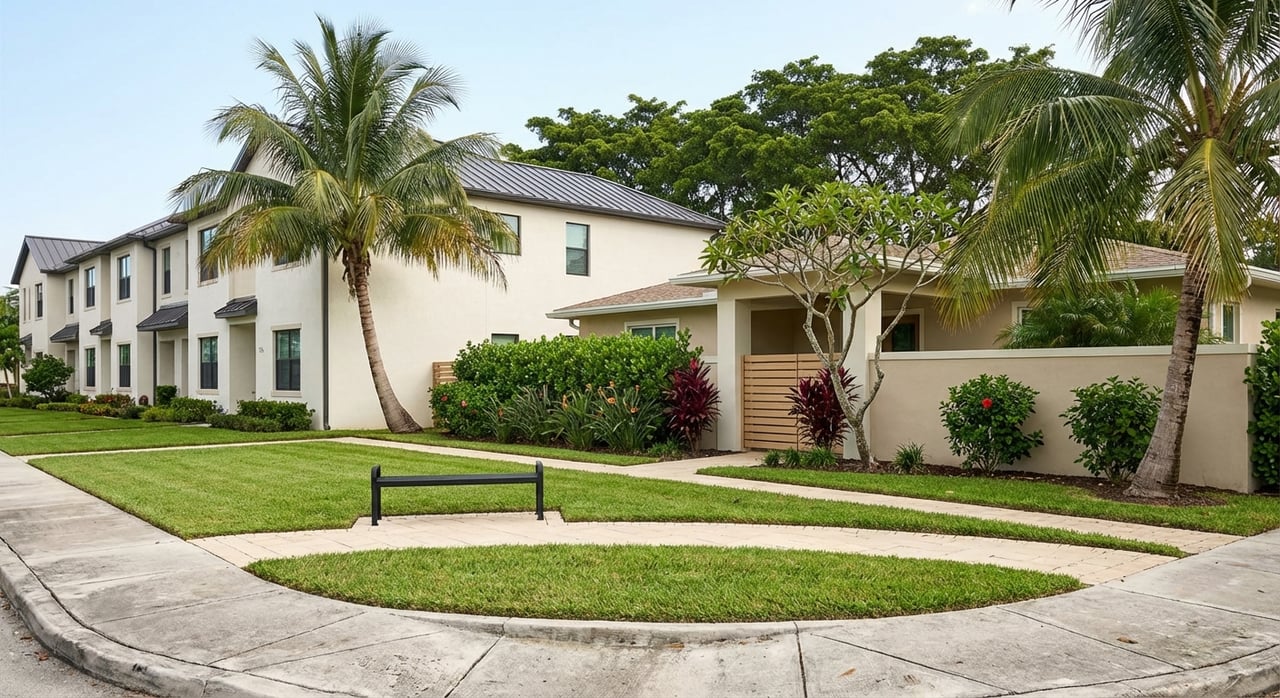
You will see newer master‑planned subdivisions, mid‑rise condos, and townhomes. Master‑planned areas near the city center often include pools, activity centers, sidewalks, and pocket parks. Many condos and townhomes were built in the last 10 to 20 years, which can mean modern systems, solar readiness, and lower near‑term maintenance.
Monthly association fees apply in many neighborhoods. For example, some Kapolei townhome phases like Mehana often show monthly HOA dues in the low $50 to $80 range on MLS listings, though exact fees vary by building and amenities. Always verify current dues, rules, and reserve studies before you write an offer.
Ewa Beach home types
Ewa Beach offers a mix of older single‑family homes, golf course communities, and newer master‑planned sections. You will also find legacy oceanfront or near‑shore parcels and some larger lots. Older homes may need targeted updates or inspections for roof, foundation, and pest conditions, while ocean‑adjacent properties come with coastal and flood considerations.
Pricing context to frame your search
Market vendors report slightly different medians based on method and timing, but recent snapshots help set expectations. One vendor reported Kapolei’s median sale price around $736,000 in Jan 2026 (source: Redfin). Another vendor reported a Kapolei median around $740,000 for a nearby period (source: Realtor.com). For Ewa Beach, a vendor index showed a typical home value near $815,331 through Dec 2025 (source: Zillow ZHVI).
Use these only as broad markers. Your exact price will depend on home type, lot size, condition, and proximity to the ocean or golf. Ask for a neighborhood‑level MLS comp set and 90‑day trend to dial in your budget.
Amenities and daily life
Kapolei anchors
Kapolei has a true regional hub feel. The Ka Makana Aliʻi mall and the surrounding retail core bring dining, services, and entertainment to West Oʻahu. Recent coverage highlights its continued growth as a dining destination, which supports daily convenience and weekend plans for nearby residents (Ka Makana Aliʻi dining coverage).
The University of Hawaiʻi–West Oʻahu sits in Kapolei and anchors daytime activity, jobs, and programs for continuing education. If you value access to a local campus, UHWO is a meaningful plus (UH West Oʻahu).
Nearby, Ko Olina offers resort amenities and lagoons a short drive from Kapolei’s neighborhoods. While distinct from typical residential tracts, it adds another layer of leisure options close by (Ko Olina resort area).
Ewa area growth and services
Ewa’s corridor continues to expand with large master‑planned development. Hoʻopili is planned across multiple phases with an estimated 11,000 to 11,750 homes spanning single‑family, townhomes, stacked flats, and flex options. Parks, schools, and neighborhood centers are part of the plan, which will increase local housing supply over time.
Health care capacity is also growing. Queen’s Medical Center–West Oʻahu has discussed a multi‑phase expansion that would broaden services and jobs for Leeward Oʻahu residents (Queen’s expansion coverage).
Transportation and commute
Drive time baseline
Commutes are a key factor when you compare these communities. According to American Community Survey means, Kapolei residents report an average commute of about 31 minutes, while Ewa Beach residents report about 38 minutes. These averages help you set expectations for daily drives toward central Honolulu, per Census QuickFacts. Always test your exact route at peak hours.
Rail: Skyline’s west segment
The Honolulu rail project, Skyline, has opened its west‑end segments with stations that include Kualakaʻi/East Kapolei, Keoneʻae/UH West Oʻahu, Honouliuli/Hoʻopili, and Hō‘ae‘ae/West Loch, among others. For some buyers, living near a rail station changes the commute equation by reducing time spent in H‑1 traffic. Check the City and HART pages for current station access, travel time estimates, and park‑and‑ride details (HART project overview).
Bus and last‑mile connections
TheBus network is being retimed to connect neighborhoods to Skyline stations. New and updated routes improve transfers but schedules, frequencies, and last‑mile walks still determine if rail will work for your daily routine. Review current guidance and FAQs before you make a rail‑dependent decision (HART FAQs and updates).
Lifestyle tradeoffs to weigh
- Kapolei strengths: newer infrastructure, a growing city center, UHWO nearby, and strong retail and dining. Many homes have modern systems, solar, and master‑planned amenities.
- Ewa Beach strengths: established beach access, some larger lots, and shoreline options that Kapolei’s inland tracts do not offer. A strong community identity anchors daily life.
- Shared reality: both are suburban relative to central Honolulu. Expect planning around peak‑hour H‑1 congestion. Rail helps for some trips but does not replace commute testing.
Risk and due diligence
Coastal and flood considerations
If you are considering oceanfront or low‑lying parcels, review sea level and flood exposure early. Hawaii’s Sea Level Rise Viewer maps the Sea Level Rise Exposure Area (SLR‑XA). Properties within the 3.2‑foot SLR‑XA trigger specific seller disclosure requirements under Hawaii law. Pull the map for any target address and request the seller’s SLR disclosure when applicable (Hawaii SLR Viewer).
Insurance and inspections
Insurance costs can vary for coastal, flood, and wind exposure. Older Ewa homes often merit thorough roof, foundation, and pest inspections. Newer Kapolei builds may carry builder warranties and modern materials, but always confirm the phase, warranty terms, and maintenance history. Obtain insurance quotes during due diligence so premiums align with your budget.
HOA rules and ongoing costs
Many Kapolei and Ewa master‑planned neighborhoods include HOA dues for common areas and amenities. Request CC&Rs, meeting minutes, reserve studies, and current dues before offer. These documents clarify pet policies, guest parking, rental rules, and future fee outlook.
Buyer checklist: do these six things
- Ask for neighborhood‑level sold comps and a 90‑day trend from MLS to set a realistic price target.
- Run your target address in the State Sea Level Rise Viewer and check FEMA flood maps; request the seller’s SLR disclosure if applicable (Hawaii SLR Viewer).
- Confirm school attendance boundaries directly with the Hawaii DOE for each address; note that UH West Oʻahu anchors local programs in Kapolei (UH West Oʻahu).
- Simulate your morning and evening peak‑hour drives and check the nearest Skyline station on the City’s route map (Skyline route map).
- Request HOA CC&Rs, the most recent reserve study, meeting minutes, and exact monthly dues if the property is in an association.
- Schedule targeted inspections for older homes or coastal properties and obtain early quotes for flood and wind coverage.
Which fits you best?
Choose Kapolei if you want a newer‑suburb feel with a growing town center, newer housing stock, and proximity to UH West Oʻahu, Ka Makana Aliʻi, and Skyline’s west‑side stations. You will likely find more move‑in‑ready condos and townhomes, plus single‑family homes built in recent decades.
Choose Ewa Beach if you value established neighborhoods, potential for larger lots, and shoreline options that bring you closer to the ocean. You may balance character and outdoor space with added due diligence on condition, coastal risk, and insurance.
Not sure which way to lean? Let’s match your budget, commute, and lifestyle priorities to the right block and home type. When you are ready, connect with Sean Fujimoto for neighborhood comps, a tailored tour, and a clear path to closing.
FAQs
What are the biggest differences between Kapolei and Ewa Beach for buyers?
- Kapolei leans newer and master‑planned with a regional retail core, while Ewa Beach offers established neighborhoods, some larger lots, and shoreline options; both require commute planning.
How does Honolulu’s Skyline rail impact commutes from West Oʻahu?
- West‑end stations near Kapolei and Hoʻopili can shorten downtown trips for rail‑friendly commutes, but real‑world benefit depends on your station access, bus transfers, and schedule (HART overview).
What are typical commute times from Kapolei and Ewa Beach by car?
- ACS data shows mean commutes of about 31 minutes from Kapolei and 38 minutes from Ewa Beach, but you should test your specific route during peak hours (Census QuickFacts).
Are there coastal or flood risks I should check in Ewa Beach?
- Yes; review the property in the State’s Sea Level Rise Viewer, confirm FEMA flood zones, and request the seller’s SLR disclosure when applicable (Hawaii SLR Viewer).
What kinds of homes are most common in Kapolei?
- You will see newer condos, townhomes, and single‑family homes in master‑planned neighborhoods with amenities, sidewalks, and modern systems.
Does UH West Oʻahu affect housing demand in Kapolei?
- UHWO adds daytime activity, jobs, and student demand that support nearby rentals and services, which some buyers view as a lifestyle and convenience plus (UH West Oʻahu).