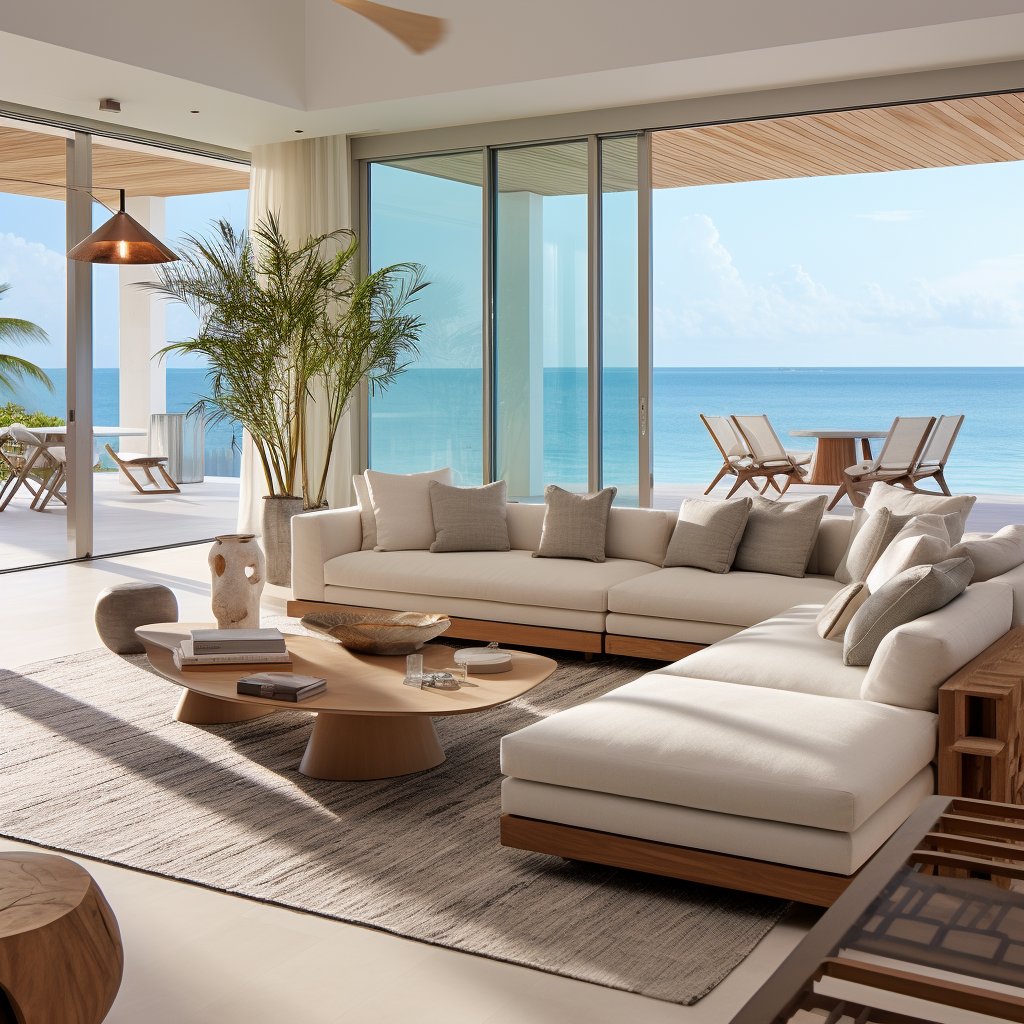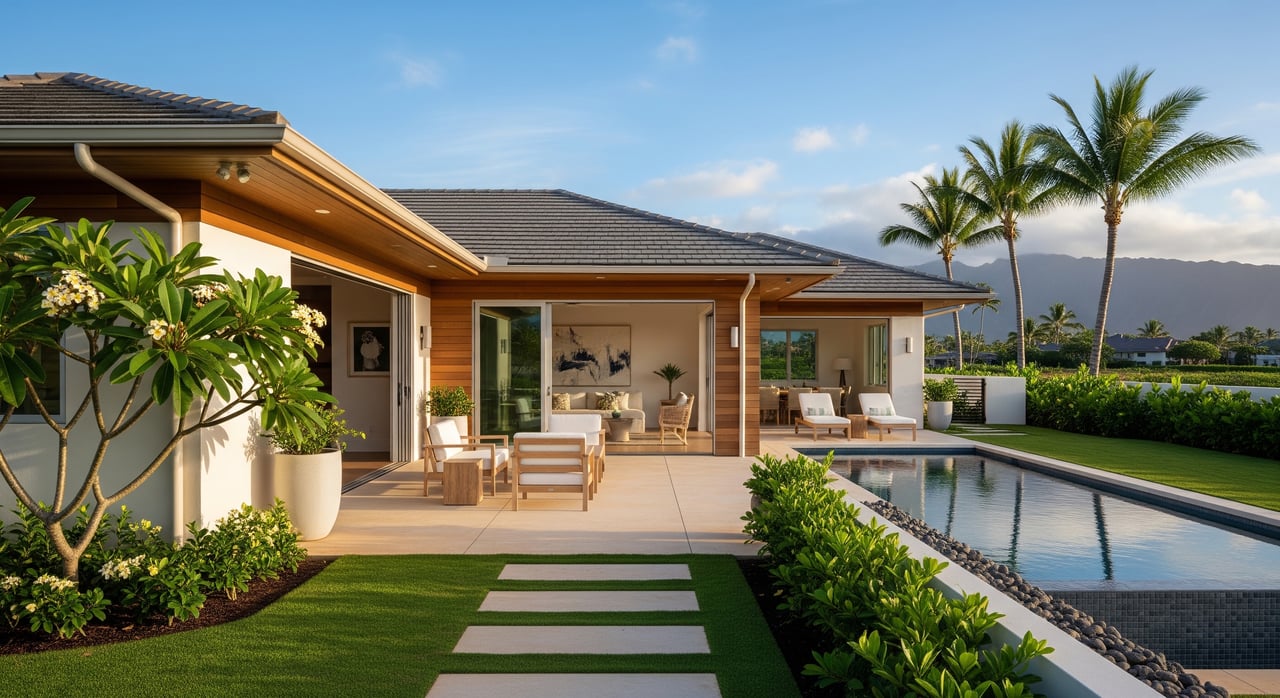
Thinking about trading city hustle for a quieter, well-organized community on Oʻahu? If you want neighborhood parks, solid public schools, and enough space for everyday life without giving up access to jobs and beaches, Mililani might be on your shortlist. In this guide, you’ll get a clear picture of housing, schools, parks, shopping, and commute patterns, plus practical tips for buying or renting. Let’s dive in.
Mililani at a glance
Mililani is a master-planned community in Central Oʻahu developed mainly from the 1960s through the 1990s. It grew in two phases: the original Mililani Town and the later Mililani Mauka neighborhoods. The plan integrates residential areas with parks, schools, and retail, so you can handle most daily needs close to home.
Set inland on a central plateau between Wahiawa and Waipahu, Mililani is not a coastal neighborhood. That inland location gives you very low tsunami exposure compared with shoreline communities. Local services such as water, sewer, and parks are delivered by the City and County of Honolulu, and community organizations help manage facilities, events, and neighborhood standards.
Housing and neighborhoods
Home types and design
You’ll find a mix of single-family homes, townhomes, and condos. Many single-family homes sit on modest to medium lots, offering yard space and private outdoor areas compared with denser Honolulu neighborhoods. Mililani Town features earlier construction with mid-century ranch and split-level styles, while Mililani Mauka offers newer homes from the 1990s and 2000s, including some gated subdivisions.
Townhomes and condos are common near major roads and shopping areas. These attached homes can deliver lower-maintenance living while keeping you close to services, parks, and schools. If you prefer more space and newer finishes, you’ll likely focus on Mauka; if you value established streets and central access, Town may appeal.
Pricing and value
Mililani is part of Oʻahu’s higher-cost market, but values vary by property type and age. In general, condos and townhomes are more affordable than single-family homes. Newer homes in Mililani Mauka can command a premium.
Because pricing, inventory, and days on market change quickly, check the latest 30 to 90 day data when you’re ready to compare options. If you’re financing, line up your pre-approval early so you can act on well-priced listings.
Ownership, HOAs, and rentals
Owner-occupied homes are common, and many buyers are planning for the long term. Homeowners associations are present in parts of Mililani, especially in newer subdivisions, and fees vary by property. Review HOA rules, fees, and neighborhood standards early in your search.
Rental options include single-family homes, townhomes, and condos. Demand often reflects proximity to major employers and nearby military installations. If you’re renting, confirm the lease terms, included utilities, and any community rules before you sign.
Daily life essentials
Schools and programs
Mililani is served by the Hawaii Department of Education. The Mililani school complex runs from elementary through Mililani High School and is a major draw for many households. Families often note strong programs and supportive communities in state comparisons, but you should review official school profiles and current accountability data to understand specific performance.
For younger children, you’ll find childcare and preschool options through private providers and community centers. Extracurriculars and youth programs operate across schools, parks, and recreation facilities, which makes after-school scheduling more manageable.
Shopping and dining
Most daily errands are simple. The Mililani Town Center and nearby plazas offer grocery shopping, pharmacies, banks, and service retail that meet everyday needs. You’ll find local eateries, coffee spots, and casual restaurants throughout the area.
For larger shopping trips, outlet stores, or big-box selections, residents often drive to Waikele Shopping Center or to West Oʻahu and Kapolei. Depending on traffic and destination, plan on 20 to 40 minutes each way. For special occasions or a wider dining scene, many people head into Honolulu.
Parks and recreation
Mililani features a network of neighborhood parks, playgrounds, sports fields, and community pools. You’ll see organized youth sports on the weekends and families walking neighborhood paths in the evenings. Community centers run programs for a range of ages and interests.
Golfers can access public play at the Mililani Golf Club and other Central Oʻahu courses. On weekends, many residents plan day trips to North Shore beaches or West Oʻahu parks. Depending on the beach and traffic, travel typically ranges from 25 to 60 minutes.
Commute and getting around
Driving is the primary way most residents get around. To reach Honolulu and many job centers, you’ll use H-2 and H-1. Typical one-way commutes to central Honolulu often fall in the 25 to 45 minute range depending on traffic and time of day.
If you work at nearby military bases such as Schofield Barracks or Wheeler, plan on roughly 15 to 25 minutes, again depending on conditions. TheBus operates routes that connect Mililani with Central Oʻahu and Honolulu, including some express and park-and-ride options. Service frequency is lower than urban Honolulu, and there is no rail service to Mililani.
Walkability is good in neighborhood pockets and near the town center. For most errands, you will still rely on a car. Biking is possible on residential streets, though protected bike lanes are limited compared with the city.
Safety and risk basics
Mililani is widely regarded as a relatively safe, community-oriented area. As with any neighborhood, crime patterns can change, so review Honolulu Police Department resources for current information.
From a natural hazard perspective, Mililani’s inland plateau location means low tsunami exposure compared with coastal zones. Flooding is property-specific, so it’s important to check FEMA flood maps and local planning data for each address you consider. Weather follows typical Central Oʻahu trade-wind patterns, and the microclimate can feel slightly cooler than the coastal plains at times.
Should you buy or rent?
Mililani works well for different goals. If you want a single-family home with a yard and access to parks and schools, you’ll find several neighborhoods that fit. If you prefer lower maintenance or a more affordable entry point, townhomes and condos can be a smart way to establish roots.
Renters value the area’s stable neighborhoods, parks, and proximity to major job centers. Owners appreciate the long-term feel and the option to convert a home to a rental if life plans change. Either way, having a clear plan for budget, commute, and community rules helps you decide with confidence.
What to verify before you move
- HOA rules and monthly fees for any property in an association
- School enrollment boundaries and policies via the Hawaii DOE
- Flood zone and any lender insurance requirements for the property
- Typical commute times to your workplace at your usual hours
- Utility and broadband providers available at the address
- For renters: lease terms, included utilities, and any HOA or community restrictions
Who Mililani fits
- You want a purpose-built suburban community with parks, sidewalks, and organized programs.
- You value public schools and community amenities within a short drive.
- You prefer yard space or private outdoor areas compared with urban condos.
- You work in Central Oʻahu or can manage a highway commute to Honolulu.
- You are a military household seeking a neighborhood setting near major bases.
- You are an owner or investor who values stable demand and professional property management.
Next steps with a local guide
Choosing a home in Mililani is easier with a local partner who knows the neighborhoods, HOAs, and day-to-day commute patterns. HI Roots Realty is a boutique, full-service team based in Mililani that supports buying, selling, leasing, and long-term property management. Whether you are comparing single-family and townhome options, or weighing a sale versus turning your home into a rental, you’ll get straightforward advice and professional systems for a smooth process.
If you are ready to see if Mililani fits your life, connect with Sean Fujimoto for local guidance and next steps.
FAQs
What kinds of homes are in Mililani?
- You’ll see single-family homes on modest to medium lots plus townhomes and condos, with older options in Mililani Town and newer homes in Mililani Mauka.
Are Mililani schools considered strong?
- Mililani schools are part of the Hawaii DOE and are commonly reported as solid performers in state comparisons; review official profiles for current details.
How long is the commute to Honolulu?
- Typical one-way times to central Honolulu range from about 25 to 45 minutes depending on traffic and time of day.
What are the transit options from Mililani?
- TheBus serves Mililani with routes to Central Oʻahu and Honolulu, including some express options, but frequency is lower than urban Honolulu and there is no rail.
Is Mililani walkable without a car?
- Neighborhood pockets and the town center area are walkable, but most daily errands still require driving.
Is Mililani safe, and what risks should I check?
- The area is widely regarded as relatively safe; verify current data through police resources and check each property’s flood zone and other hazards before you commit.
Where do residents shop and eat?
- Daily needs are covered at Mililani Town Center and nearby plazas, while larger shopping trips often go to Waikele or Kapolei.
Are there parks and activities for kids?
- Yes, there are multiple parks, playgrounds, community pools, sports fields, and youth programs organized through community centers and leagues.